The fundamental difference between a sponsored post and a guest post is compensation and editorial control: sponsored posts are paid placements where the brand dictates the message, while guest posts are typically unpaid editorial contributions where the publisher retains final say. To comply with search engine guidelines, any link exchanged for compensation must be tagged with specific attributes to avoid being classified as a manipulative link scheme. This guide breaks down the structural differences, Google’s tagging requirements, and how to properly label your content.
What is the difference between a sponsored post and a guest post?
A “sponsored blog post is a partnership” where a brand pays a blogger to create content highlighting its products or services. The tone is persuasive and commercial, and the brand typically maintains final approval over the content.
Conversely, guest blogging involves inviting an external writer to contribute an article. The content is strictly editorial and objective, focusing on the reader’s challenges rather than presenting a brand’s solution. Editors accept these pieces to provide independent insights, meaning the publisher retains final editorial control and the author simply discloses their professional background in the bio as good etiquette.
How does Google treat paid links and link schemes?

Google’s spam policies explicitly state that passing PageRank through paid links violates their guidelines. To qualify outbound links that are advertisements or paid placements, webmasters must use the rel="sponsored" attribute.
While rel="nofollow" was previously the standard recommendation and remains an acceptable way to flag paid links, sponsored is now the preferred method to help Google identify commercial relationships. If a website accepts payment for a post but fails to use these attributes or disclose the financial arrangement, Google treats the links as a link scheme, which can result in manual actions or algorithmic devaluation of the site.
What are the sponsored, ugc and nofollow link attributes?
Google recognises three values for a link’s rel attribute, and each tells Search something different about the link:
rel="sponsored": for paid, advertorial and affiliate links. This is Google’s preferred attribute for commercial links.rel="ugc": for links in user-generated content such as comments, forum posts and profile links.rel="nofollow": a general-purpose attribute for links you don’t want to vouch for. It is still accepted for paid links.
Values can be combined, separated by a space. A paid link inside a user-generated post can use rel="ugc sponsored", and if you need to support older tools that only understand nofollow, you can write rel="nofollow sponsored", as described in Google’s guide to qualifying your outbound links.
Google introduced sponsored and ugc on September 10, 2019, and said all three attributes are treated as hints about which links to consider for ranking. From March 1, 2020, nofollow also became a hint for crawling and indexing. Existing nofollow links don’t need to be rewritten, but new paid links should use sponsored.
When should guest post links be marked as sponsored?
The line between a standard guest post and a paid placement blurs when money changes hands. If you are a cited expert writing a guest post and linking to a page on your website that provides a value-adding explanation of a concept, a standard dofollow link is appropriate and helps build your authority.
However, if you paid the publisher to place your article, or if the publisher paid you to write it, the arrangement is strictly commercial.
"If you paid to post, there needs to be an advertising disclaimer that payment (cash, product for review, etc.) was exchanged." — Adam Riemer, Search Engine Journal
Failing to include this disclaimer not only violates search engine guidelines but may also breach consumer protection regulations regarding undisclosed endorsements.
How can you tell whether a post is sponsored? A five-question checklist
Before publishing any guest post or paid placement, work through these questions:
- Did money, free products or other compensation change hands? If yes, treat the post as sponsored, whatever it is called.
- Who controls the final wording? If the brand approves or dictates the content, it is sponsored. If the publisher has the final say, it is more likely a guest post.
- Is the link an ad, an affiliate link or a paid placement? Mark it
rel="sponsored".rel="nofollow"is an acceptable alternative. - Is the link a genuine editorial reference to a useful resource? If nobody was paid and the publisher made the editorial call, a normal dofollow link is generally fine.
- Is the disclosure visible to readers? Add a clear label such as "Sponsored" or "Paid Partnership" near the top of the post, not only in the HTML.
How do marketplaces and publishers handle labelling?
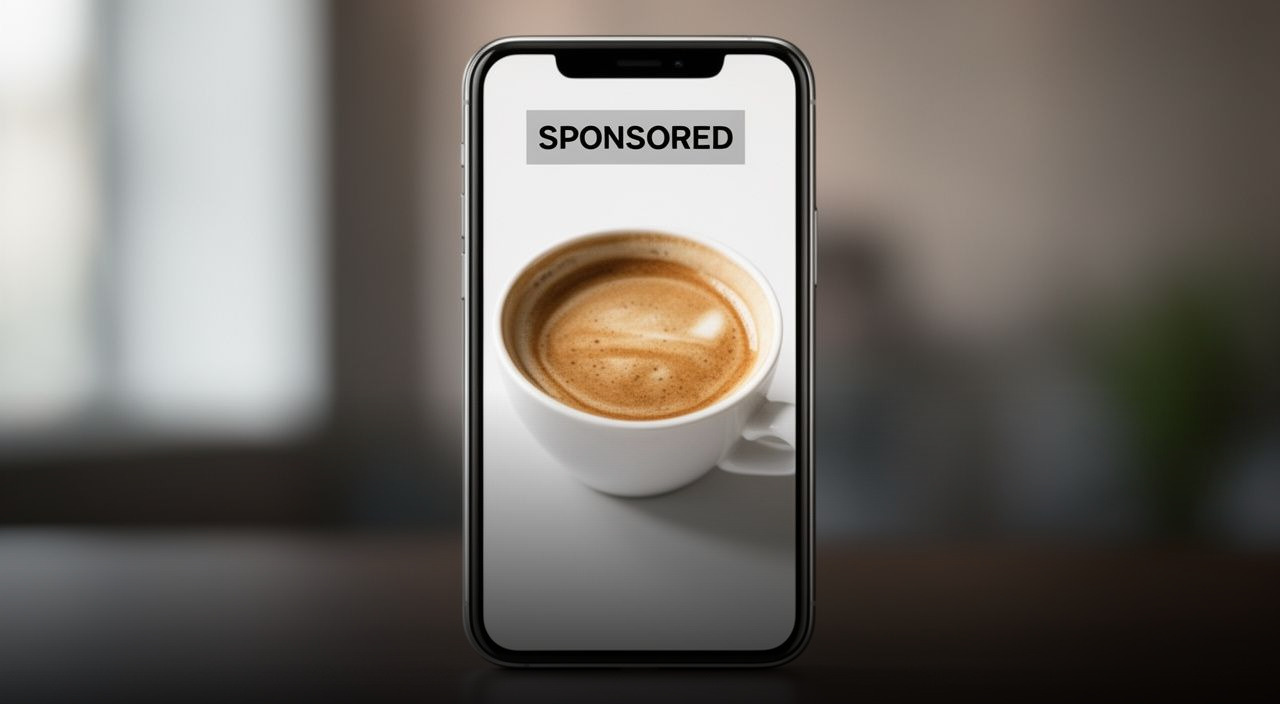
To satisfy both search engine algorithms and legal requirements, publishers use clear visual labels alongside HTML attributes. Regulations for consumer protection suggest the use of labels such as "Paid Partnership" or "Sponsored" to prevent misleading the public.
Here is a quick-reference summary of how the two formats compare across editorial and technical standards:
| Feature | Guest Posting | Sponsored Content |
|---|---|---|
| Tone | Educational & Neutral | Persuasive & Commercial |
| Control | Editor has final say | Brand has final say |
| Goal | Focus on a reader’s challenges | Present a brand’s solution |
| SEO Attribute | Dofollow (if purely editorial) | rel="sponsored" or rel="nofollow" |
What happens if a paid link isn’t labelled?
Undisclosed paid links count as a link scheme under Google’s spam policies for web search. The consequences can include:
- Manual actions: a human reviewer applies a penalty to the site, which can affect rankings across many pages.
- Algorithmic devaluation: the links stop passing credit, and pages that depend on them can lose visibility.
- Reconsideration requests: recovering from a manual action generally means removing or correctly labelling the offending links, then explaining the fix to Google.
Correct labelling protects the sponsor as well as the publisher. A paid link that is properly marked is far less risky than one that is hidden.
How should publishers and contributors handle paid posts?
For publishers accepting posts:
- Set a written policy on what you accept, and state it on your "Write for Us" page.
- Apply the
sponsoredattribute automatically to every link in a paid post, with a template or plugin rule, so it can’t be forgotten. - Keep records of payments and free-product arrangements in case of a review.
For contributors placing posts:
- Ask the publisher how sponsored content is labelled before you agree to anything.
- Don’t pay for a post and then ask for a dofollow link. Agree on
sponsoredfrom the start. - Only link to pages that add value for the reader, not to pages that exist purely to pass ranking signals.
Frequently asked questions
What does it mean if a post says "sponsored"?
A "sponsored" label indicates that a brand or advertiser paid the publisher to feature the content. This financial relationship means the post is an advertisement, and any outbound links within it should be tagged with rel="sponsored" to comply with search engine guidelines and consumer protection laws.
What does a guest post mean?
A guest post is an article published on a website by a writer who is not a regular staff member. It is typically an unpaid, editorial contribution designed to share expertise, provide unique insights, and build brand authority with a new audience.
Should guest post links be marked sponsored?
Only if compensation was involved. If the guest post is purely editorial and unpaid, the links can remain dofollow. However, if the author paid for the placement or received free products in exchange for the post, the links must be marked with rel="sponsored" or rel="nofollow" to avoid being penalized as a link scheme.