Link building is the process of acquiring hyperlinks from other websites to your own, functioning as digital votes of confidence that signal authority and relevance to search engines. This guide explains the mechanics of backlinks, outlines safe earning strategies, and details the manipulative tactics you must avoid to protect your site from search penalties.
What Is a Backlink and Why Does Google Use Them?
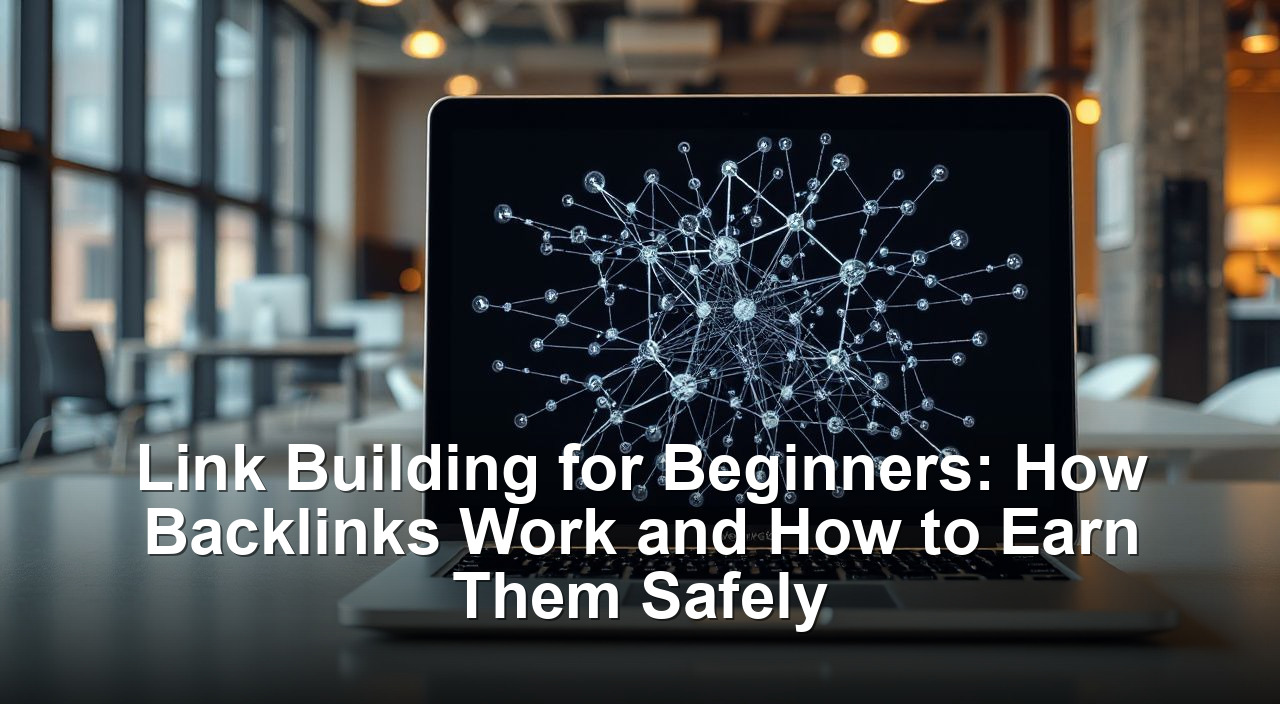
A backlink, also known as an inbound link, is a hyperlink from one website to another. When website A links to website B, that connection acts as a "vote of confidence" in the destination’s content. Search engines treat these votes as evidence of authority, which helps determine whether a page surfaces above competitors covering the exact same topic.
Beyond measuring authority, Google uses links as a primary signal to find new pages to crawl across the web. When a crawler discovers a new page, it follows the hyperlinks embedded within that page to discover additional URLs, mapping the structure of the internet.
Not all links carry the same weight. Dofollow links are standard hyperlinks that allow search engines to follow them and pass on authority, directly impacting your site’s SEO. Conversely, nofollow links contain a specific attribute telling search engines not to pass authority. While nofollow links do not provide a direct ranking boost, they remain valuable for driving referral traffic and enhancing overall brand visibility.
How to Build Links: The Four Core Strategies
Conceptually, link building strategies fall into four distinct buckets: adding, asking, buying, and earning. Adding links involves manually placing your URL on external sites, such as business directories or forums; because these are easy to acquire, they offer little competitive value. Asking for links requires emailing relevant website owners to request a hyperlink to your content. Buying links means offering financial compensation for a placement, which directly violates search engine guidelines. Earning links refers to creating noteworthy assets that naturally attract organic citations from other publishers.
Modern SEO requires balancing two specific categories of tactics to build a resilient profile:
| Category | Tactics | Benefits | Drawbacks |
|---|---|---|---|
| Link Producers | Email outreach, broken link building, reclaiming lost links | Accessible for beginners, high volume, easy to scale | Rarely yields links from high-authority sites |
| Association Producers | Digital PR, original research, creating linkable assets | Builds strong brand associations, yields high-authority links | Time-intensive, requires specialist staff or budget |
Beyond traditional search rankings, these association-building tactics directly impact AI visibility. As search engines increasingly integrate generative AI, the brand associations built through high-authority digital PR and original data determine which sources AI systems choose to cite in generated responses.
Safe Link Building Tactics That Actually Work
To build links safely, focus on creating assets that provide genuine value to your industry. One of the most effective methods is publishing original research and data. For example, Backlinko’s Google Ranking Factors study attracted more than 75,000 backlinks because other sites needed to cite the original statistics and charts.
Developing free tools is another powerful strategy. People naturally share and link to resources that solve real problems, which also earns co-citations alongside major industry brands. Similarly, publishing definitive resources on a topic through comprehensive, multi-chapter ultimate guides can establish your page as the go-to reference in your niche, earning links and citations over time.
When your content is linked to, the visible text of the hyperlink—known as anchor text—matters. Good anchor text is descriptive, concise, and relevant to the destination page. Avoid generic phrases like "click here," as descriptive text helps both users and search engines understand the context of the linked page before they even click it.
What You Should Avoid in Link Building
Engaging in manipulative tactics, known as link schemes, can severely damage your site’s visibility. Google defines a link scheme as any organized effort to create backlinks that exists primarily to "manipulate how search engines evaluate your website". According to Google’s search spam policies, sites that violate these guidelines may rank lower in results or not appear at all.
Specific practices to avoid include:
- Buying or selling links that pass PageRank or influence search rankings.
- Expired domain abuse, where an old domain is purchased solely to manipulate rankings with low-value content.
- Cloaking, which presents different content to users and search engines to deceive crawlers.
- Doorway abuse, creating multiple similar pages to funnel users to a single destination.
Google detects these schemes through pattern recognition, analyzing sudden link velocity changes and unnatural anchor text distribution. Violations result in algorithmic suppression or manual penalties that can completely remove your site from search results.
Realistic Timelines, Costs, and Effort
Link building is widely considered the most difficult aspect of SEO, with 52% of digital marketers citing it as the hardest element to master. The effort required depends heavily on your chosen strategy and available resources.
Link producer tactics are accessible and can generate a high volume of links relatively quickly, but they lack the authority-building power of association producers. Association producer tactics, such as digital PR and creating definitive guides, require significant investment in time, specialist staff, and budget. However, as experts note, "link building these days is more akin to great marketing", and organizations that invest in this long-term approach are the ones that win sustainable visibility.
While approximately 94% of all blog posts “do not have any external backlinks”, committing to a safe, long-term strategy will eventually put your content ahead of competitors who rely on quick, spammy fixes that eventually trigger penalties.
A Practical Checklist for Safe Link Building
Before launching a campaign or approving an agency’s strategy, ensure your approach passes this safety checklist:
- [ ] Are the links earned through genuine editorial value rather than financial exchange?
- [ ] Is the anchor text natural and descriptive, avoiding exact-match keyword stuffing?
- [ ] Are you focusing on topically relevant sites rather than unrelated high-metric domains?
- [ ] Does the linked page provide a seamless, non-deceptive experience for the user?
- [ ] Are you avoiding automated programs or private blog networks (PBNs) designed solely to pass link equity?
Frequently Asked Questions
What should you avoid in link building?
You must avoid link schemes, which include buying or selling links, participating in excessive link exchanges, and using automated programs to create links. Google also penalizes expired domain abuse and cloaking, as these practices deceive users and manipulate search systems.
What are the most effective link building strategies for 2026?
The most effective strategies focus on "association producers," such as publishing original data, creating free interactive tools, and executing digital PR campaigns. These tactics build genuine brand authority and are increasingly used by search engines and AI systems to determine which sources to cite.
How much does link building cost?
Costs vary widely based on the approach. DIY link producer tactics like broken link building require only time and software subscriptions, while association producer strategies like digital PR often require hiring specialist staff, paying for PR distribution, or investing in high-quality content production.
How to become a link builder?
Becoming a link builder requires mastering outreach, content strategy, and relationship building. Start by learning how to identify topically relevant websites, craft personalized pitch emails, and analyze competitor backlink profiles to find unlinked mentions and broken link opportunities.