


When Serena Williams walked away from the game at the 2022 US Open, women’s tennis lost not just a champion but a cultural force. For years, Serena carried the sport on her back, even when her Grand Slam dominance began to fade after 2020. Since then, players like Iga Swiatek, Coco Gauff, and Aryna Sabalenka have made their mark with talent and charisma. Still, none have quite matched Serena’s ability to pull in casual fans and command the global spotlight.
That’s why Naomi Osaka’s stunning run to the semifinals of this year’s US Open feels like such a turning point.
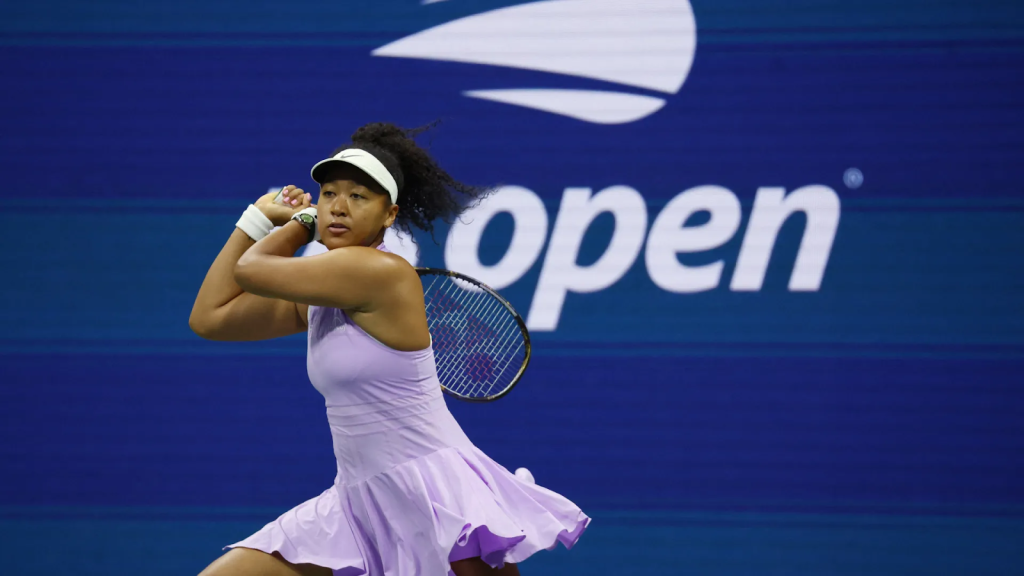
Osaka’s Comeback Story
Though her campaign ended with a 6-7 (4), 7-6 (3), 6-3 defeat to 24-year-old American Amanda Anisimova, the two weeks leading up to that loss showed flashes of the superstar who once electrified the sport. Osaka proved she still has the game and the presence to be the face of women’s tennis again.
“Honestly, I don’t feel sad, Osaka said afterward. It’s really weird. Well, it’s not weird. I feel like I did the best I could and honestly it’s kind of inspiring for me because it makes me want to train and try to get better and hopefully just give it my very best shot again and see what happens. But I can’t be mad or upset at myself.”
It wasn’t a perfect run. After taking the first set against an inconsistent Anisimova, Osaka let several chances slip away. As the match stretched deeper into the night, her level dipped, and Anisimova seized control with fearless shot-making. Still, Osaka’s presence in the final stages of a Slam was the real headline.
A Star Reborn
Osaka’s rise in 2018, when she stunned Serena in the US Open final, felt like a passing of the torch. But that sudden fame proved overwhelming. By the time she lit the Olympic cauldron in Tokyo in 2021, the pressure had already taken its toll. Mental health breaks, uneven comebacks, the birth of her daughter, and a highly publicized breakup with rapper Cordae all played a role in her retreat from the spotlight.
For a while, expecting her to return to top form felt unrealistic. Women’s tennis and the WTA itself, which has faced financial strain since the pandemic lost its most bankable star just as Serena stepped away.
That’s what makes this revival so significant. In the span of two tournaments, Osaka reminded the world she’s more than a fashionable figure; she’s still an elite competitor with crossover appeal.
“She’s back where she belongs, Anisimova said after their match. I told her that I’m so proud of her after having a baby and playing at this level. It’s insane.”
This version of Osaka feels both familiar and new. The powerful baseline game, stylish presence, and playful post-match interviews are still there. But she’s also a mother now, a more relaxed public figure, and someone who genuinely loves the sport again. As she admitted after her quarterfinal win, tennis means more to her now than she ever realized.
With that passion rekindled, her semifinal showing could mark the beginning of her next great chapter. And regardless of who lifts the trophy, Anisimova or Sabalenka Osaka’s presence has already given women’s tennis its biggest victory: a star who can once again carry the sport into the mainstream.


